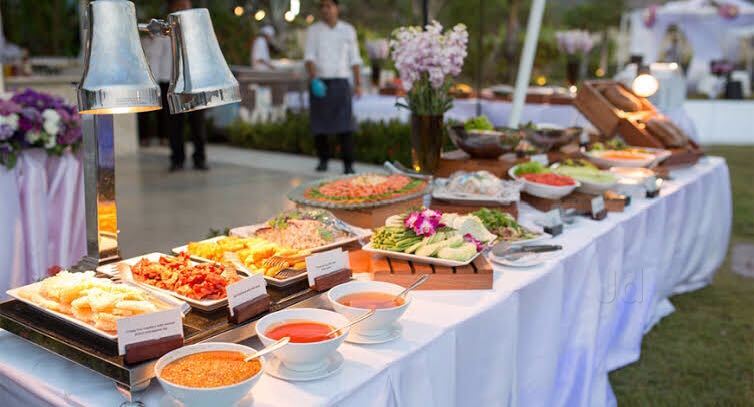
Food has always been at the heart of every successful gathering. Whether it is a corporate meeting, wedding celebration, private party, or community festival, the dining experience often becomes the most memorable part of the occasion 到會服務\. Thoughtful food recommendations for the event catering can transform an ordinary event into an unforgettable experience by satisfying guests, reflecting the theme, and creating moments of shared enjoyment.
Event catering is more than simply serving meals; it is about understanding the purpose of the gathering and designing a menu that complements the atmosphere. Every event carries its own personality, and food should align naturally with that identity. A formal gala demands elegance and refinement, while a casual outdoor celebration calls for relaxed and comforting dishes. Choosing the right menu begins with recognizing the tone and expectations of the audience.
One essential aspect of food recommendations for the event catering is understanding guest preferences and diversity. Modern events often bring together people from different cultural backgrounds, dietary lifestyles, and age groups. Offering a balanced selection ensures inclusivity and demonstrates thoughtful planning. Vegetarian options, vegan dishes, gluten-free selections, and lighter alternatives help guests feel considered and welcome. When attendees know their needs have been anticipated, their overall experience improves significantly.
Seasonality plays a crucial role in menu planning. Fresh, seasonal ingredients not only enhance flavor but also contribute to sustainability and cost efficiency. Summer events benefit from refreshing salads, grilled vegetables, and chilled desserts, while colder seasons invite hearty soups, roasted dishes, and warm comfort foods. Seasonal menus feel more authentic because they align with natural tastes and textures that guests instinctively crave at specific times of the year.
Presentation is another important factor that influences catering success. Guests often form their first impression through visual appeal before tasting the food itself. Creative plating, vibrant colors, and well-organized buffet displays elevate the perceived quality of the event. Food recommendations for the event catering should therefore consider how dishes look alongside how they taste. Elegant presentation enhances the atmosphere and encourages guests to engage more actively with the dining experience.
Interactive food stations have become increasingly popular in modern catering. Live cooking counters, customizable bowls, and made-to-order dishes allow guests to participate in the culinary process. This interaction adds entertainment value while ensuring personalized choices. Guests enjoy watching chefs prepare meals fresh, and the experience creates conversations and memorable moments that extend beyond simple dining.
Another valuable approach involves balancing familiar flavors with unique culinary elements. Guests often appreciate recognizable comfort foods but also enjoy discovering something new. Introducing creative twists on classic dishes allows caterers to surprise attendees without overwhelming them. For example, traditional recipes can be enhanced with modern presentation or subtle fusion influences, creating excitement while maintaining comfort.
Portion planning is equally important when developing food recommendations for the event catering. Events should provide enough variety without overwhelming guests with excessive choices. Carefully curated menus encourage guests to sample multiple items while reducing food waste. Smaller portions served creatively can make the dining experience feel refined and intentional rather than excessive.
Beverage pairing also contributes significantly to catering success. Drinks should complement the menu and enhance flavors rather than compete with them. Refreshing mocktails, fresh juices, specialty coffees, and thoughtfully selected beverages add depth to the culinary experience. Providing non-alcoholic options ensures inclusivity and allows all guests to enjoy well-matched refreshments.
Cultural inspiration offers another powerful dimension to catering design. Incorporating global flavors introduces excitement and storytelling into the event. Food recommendations for the event catering can draw inspiration from regional cuisines, allowing guests to explore different traditions through taste. This approach works particularly well for multicultural gatherings where food becomes a bridge connecting diverse backgrounds.
Timing and service style influence how guests perceive the meal. Some events benefit from buffet arrangements that encourage social interaction, while others require plated meals that maintain formality and structure. Cocktail-style events may favor bite-sized appetizers that allow movement and conversation. Understanding the flow of the event helps determine the most suitable service approach, ensuring guests remain comfortable and engaged throughout.
Desserts deserve special attention because they often leave the final impression. A thoughtfully designed dessert selection can become a highlight of the celebration. Mini desserts, dessert tables, or themed sweets create visual appeal while offering variety. Guests appreciate having multiple options, especially when desserts cater to different sweetness preferences and dietary needs.
Sustainability has become an increasingly important consideration in catering decisions. Many event planners now prioritize locally sourced ingredients, eco-friendly packaging, and reduced food waste strategies. Responsible catering practices not only support the environment but also enhance the event’s reputation. Guests are more likely to appreciate menus that reflect awareness and social responsibility.
Customization remains one of the strongest trends in modern catering. Personalized menus tailored to the client’s vision create a deeper emotional connection with the event. Whether it is incorporating family recipes, branded food elements, or thematic dishes, customization adds authenticity and meaning. Food recommendations for the event catering should always reflect the story the host wishes to tell.
Guest comfort should remain at the center of every catering decision. Easy-to-eat dishes, balanced flavors, and accessible serving arrangements help maintain a relaxed atmosphere. Long waiting times or complicated serving methods can disrupt enjoyment, so efficient planning ensures smooth service and satisfied attendees.
Technology has also influenced catering innovation. Digital menu previews, dietary tracking tools, and event planning platforms help organizers design menus more effectively. These tools allow better communication between clients and caterers, reducing misunderstandings and ensuring expectations are met.
Ultimately, successful food recommendations for the event catering combine creativity with practicality. The best menus are those that feel effortless to guests while reflecting careful planning behind the scenes. Food should support the purpose of the gathering, encourage interaction, and create lasting memories through taste and experience.
When thoughtfully planned, catering becomes more than a service; it becomes a central storytelling element of the event. Guests may forget decorations or speeches over time, but they often remember how the food made them feel. By focusing on quality, inclusivity, presentation, and creativity, event organizers can craft dining experiences that leave a meaningful and lasting impression long after the event has ended.